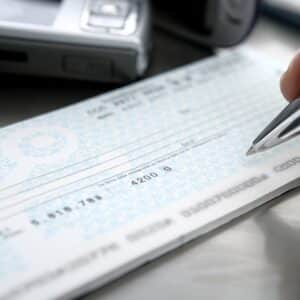
Check fraud can take many forms, and criminals often combine multiple tactics to increase their chances of success. Recognizing the most common types of fraud can help you spot red flags before money is lost.
Mail Theft
Fraud often begins with a stolen check. Criminals may steal checks from mailboxes, apartment mailrooms, or collection boxes. Once they have the check, they may alter it, copy it, or use the information printed on it to commit additional fraud.
Check Washing
Check washing occurs when a thief steals a completed check and removes the ink using chemicals. The fraudster then rewrites the check with a different payee or a larger dollar amount. A payment intended for a utility company could be transformed into a much larger payment to a criminal.
Counterfeit Checks
Counterfeit checks are fake checks created using stolen account information. They may look legitimate and include realistic logos, routing numbers, and account details, making them difficult to detect at first glance.
Fake Check Scams
Scammers often send fake checks as part of job offers, prize winnings, overpayment scams, or online sales. Victims are instructed to deposit the check and then send a portion of the money back. Even if funds initially appear in an account, the check can later be rejected, leaving the victim responsible for the loss.
Forged Checks
A forged check involves someone signing or altering a check without authorization. Fraudsters may forge signatures, change payment information, or endorse checks they are not entitled to cash.
The more familiar you are with these tactics, the easier it becomes to identify suspicious activity and take action before financial damage occurs.